
For years, the pursuit of better health has increasingly been tied to optimization. Better sleep, better nutrition, more exercise, more tracking, more supplements, more data. The promise is appealing: with enough information and enough discipline, perhaps we can build a healthier, longer and more productive life.
But what happens when the pursuit of optimization becomes an end in itself?
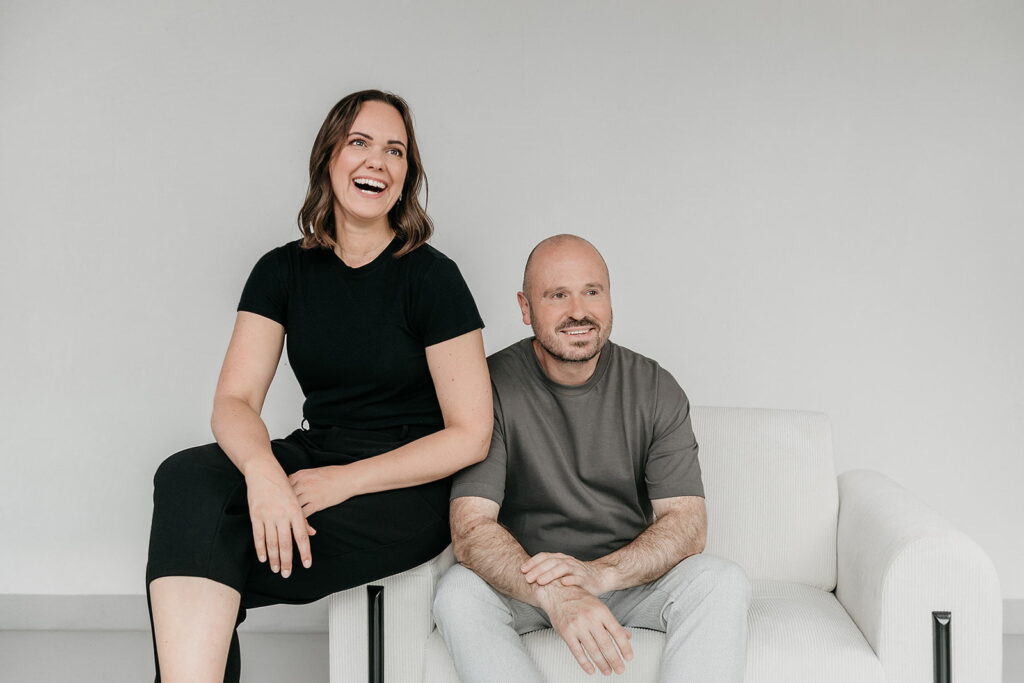
That question sits at the center of Unlongevity: Escaping Optimization Culture to Restore Health, Meaning, and a Life That Fits, the new book by Ramona Römer and Andreas Heigl, co-founders of VIMED CELL in Basel, Switzerland. Published by Morgan James on August 11, 2026, the book takes a critical look at the growing cultural fixation on extending life and optimizing the body, asking readers to consider whether living better should be measured simply by how long we live.
Rather than treating longevity as a goal that can be reduced to numbers, routines or biological markers, Römer and Heigl examine the broader relationship between health, technology, modern lifestyles and the expectations people place on themselves. Their argument challenges the assumption that more optimization necessarily leads to a more meaningful life.
The subject is particularly timely. Health and wellness have become increasingly data-driven, with people able to monitor everything from sleep and heart rate to activity levels and other measures of physical performance. At the same time, an expanding longevity industry continues to promote new approaches to maintaining health and extending the human lifespan.
Unlongevity asks readers to step back from that constant pursuit and reconsider what they are actually trying to achieve.
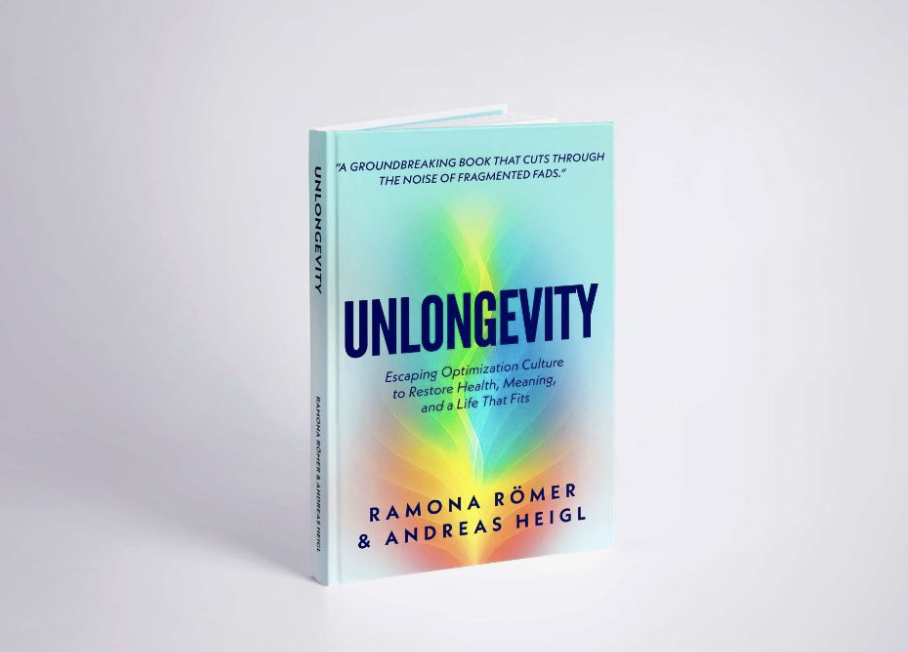
The book’s focus is not simply on living longer. It is on creating a life that is sustainable, meaningful and compatible with the person living it. That distinction opens up a much broader conversation about how modern ideas of health can sometimes become intertwined with pressure, perfectionism and the feeling that there is always something else to improve.
Römer and Heigl bring their professional experience to that conversation while also addressing questions that extend well beyond medicine or biotechnology. What does it mean to be healthy? How much optimization is actually useful? And when does taking care of ourselves begin to interfere with simply living?
Those questions are increasingly relevant in a culture where health can feel like another area in which people are expected to perform.
Unlongevity ultimately invites readers to reconsider the assumption that the answer to a longer life is always more intervention, more measurement and more optimization. Instead, it opens a discussion about health in the context of the whole person and the life that person wants to lead.
In the following interview, Ramona Römer and Andreas Heigl discuss the thinking behind Unlongevity, the culture of optimization, the changing conversation around longevity, and why they believe it may be time to reconsider what we mean when we talk about living a healthy life.
INTERVIEW: Ramona Römer and Andreas Heigl in Dialogue
Wellness has become deeply intertwined with lifestyle culture, social media, beauty, fitness, and even personal identity. When did taking care of ourselves begin to feel like something we were expected to perform publicly?
We think this developed gradually, and much of it began with a very positive change.
For a long time, healthcare was largely authority-led. The doctor or practitioner held the knowledge, made a recommendation, and the patient generally followed it. As people became more empowered to participate in their own health decisions, they also needed to find information themselves. Most of us haven’t studied medicine, nutrition, psychology, or the many other areas that influence health, so naturally we began learning from other people’s knowledge and experiences as well.
At the same time, health itself became much more openly discussed. There were many conditions people once felt embarrassed or uncomfortable talking about publicly. When celebrities and other public figures began speaking openly about their own diagnoses, mental health, fertility, menopause, and other very personal experiences, it helped remove some of that stigma. Sharing became empowering.
Then social media accelerated everything. People didn’t only share what they were experiencing; they began sharing what had worked for them. A particular diet helped someone. A morning routine transformed somebody else’s energy. A supplement, workout, treatment, or skincare routine produced a visible result. Those experiences spread incredibly quickly.
And somewhere along the way, “this worked for me” could very easily become “this is what works.” Once enough people are doing something and showing the results publicly, participation can begin to feel like an expectation. We don’t only want the result; we also want to belong to the group that appears to have figured it out.
That is perhaps where caring for ourselves gradually acquired a performative dimension. Something that began as empowerment and openness also became visible evidence of how disciplined, informed, healthy, or committed we are. Health moved from being something very private to something we increasingly communicate as part of who we are.
There is a constant stream of advice about the “right” morning routine, diet, workout, skincare regimen, sleep schedule, and supplements. Why can this abundance of wellness advice sometimes make people feel worse rather than better?
Because every new recommendation creates another decision.
The information we are exposed to today ranges from excellent research and experienced professional advice to personal success stories, commercial interests, trends, and recommendations that may contradict one another completely. For most people, it is almost impossible to continually determine what is relevant, what is reliable, and what genuinely applies to them.
Then FOMO (i.e. Fear of Missing Out) enters the picture. We hear that someone has transformed their health through a particular diet, supplement, treatment, morning routine, or technology and naturally wonder: What if there is something important here that I am missing?
That can create a strange kind of pressure. Even when we feel perfectly well, there is always something else we could potentially improve. And when we decide not to follow a recommendation, we may still carry the uncomfortable feeling that perhaps we should have.
This is where we think an important distinction gets lost: a new recommendation does not automatically create a new responsibility. It is simply another possibility.
And a possibility still needs context. Something may be well researched, genuinely helpful to someone else, or enormously popular and still have very little relevance to the individual considering it.
The abundance itself is not necessarily the problem. The pressure comes when every possibility begins to feel like an instruction. Once we understand that we are allowed to remain curious without having to act on everything we learn, health information can become empowering again rather than another source of pressure.
What is the difference between a wellness practice that genuinely makes someone feel good and one that has simply become another rule they believe they are supposed to follow?
The difference is often less about the practice itself and more about our relationship with it.
The same routine can be deeply supportive for one person and feel like an obligation to another. It can even change within the same person over time. Something that once brought energy, structure, or stability may gradually become something we follow because we believe it is what a healthy person is supposed to do.
One interesting moment comes when, for whatever reason, we cannot follow that routine. Perhaps we miss a workout, eat differently, sleep later, or skip something we normally do. If that immediately creates guilt, anxiety, fear, or a sense of failure, we become interested in the emotion rather than simply judging the behavior.
Why does breaking this particular rule create such a strong response? What is underneath it?
Sometimes the answer may be relatively simple. At other times, it can lead much deeper into a person’s history: an unresolved experience or trauma, beliefs formed earlier in life, family or ancestral imprints, energetic patterns, or, depending on the way we explore the individual, karmic or previous-life influences.
Different traditions and approaches may give these patterns different names. For us, the important part is remaining curious about what the response may be communicating rather than immediately trying to suppress it or impose another rule.
A wellness practice therefore cannot be evaluated only by whether the practice itself is considered healthy. We also need to understand what it is doing within the life of that particular person and what their relationship with it may be revealing.
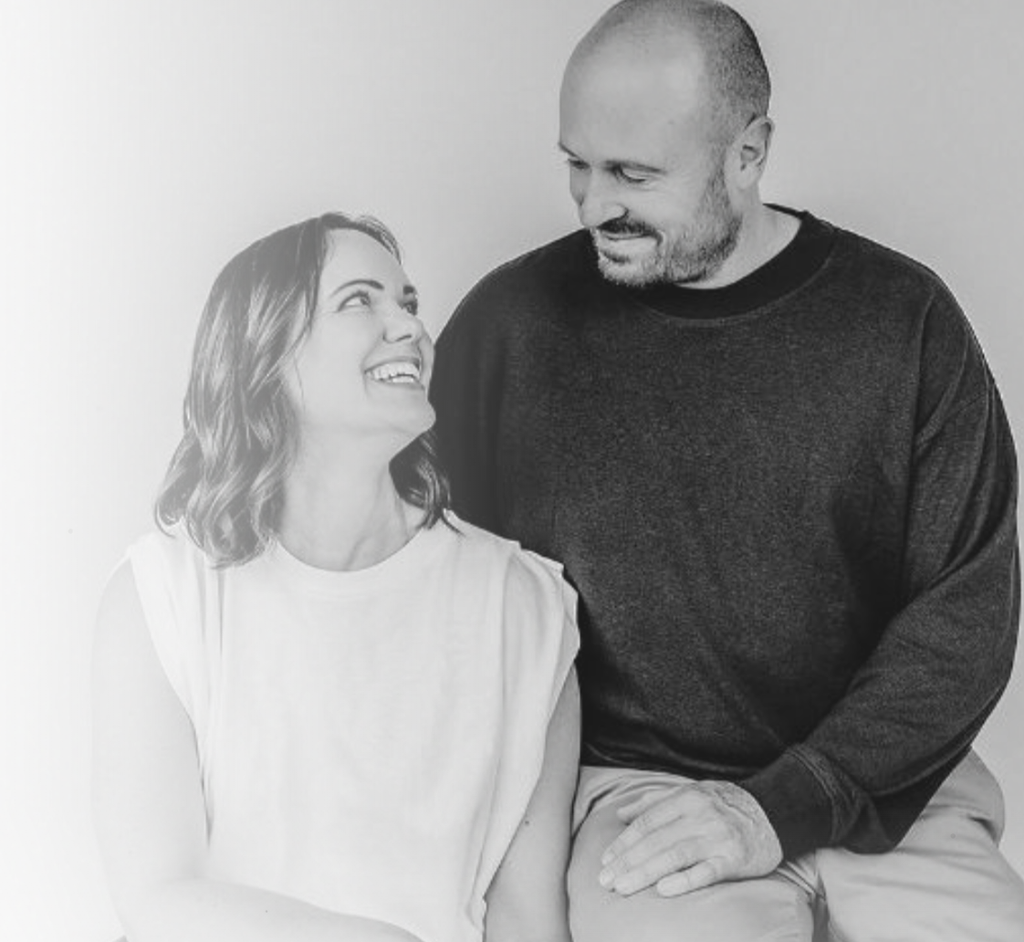
Unlongevity: Escaping Optimization Culture to Restore Health, Meaning, and a Life That Fits and co-founders of VIMED CELL in Basel, Switzerland.
Can something still be considered healthy if it makes a person anxious, isolated, overly restrictive, or unable to enjoy ordinary experiences? How should emotional well being factor into those decisions?
This is exactly where looking at the individual as a whole becomes so important.
Something can create a positive outcome in one area while having a very different effect somewhere else. A restrictive diet may improve a particular biological condition but make someone increasingly anxious around food. An intensive health program may produce excellent physical results while leaving little room for relationships or ordinary life. That doesn’t automatically make either approach unhealthy. There may be periods when restriction, discipline, or intensive intervention is genuinely necessary.
The question is what is happening across the whole person, and why.
If a treatment or practice is medically necessary for a period of time, accepting some emotional or lifestyle difficulty may be entirely appropriate. But if someone is pursuing a health practice indefinitely while becoming increasingly anxious, isolated, fearful, or unable to experience enjoyment, we should be interested in that too. Those responses are not separate from health simply because they cannot be seen in a blood test.
For us, emotional well-being is therefore not something we assess after the biological work is finished. It is part of understanding what the intervention is doing within the entire human system.
Sometimes the appropriate decision may still be to continue with something difficult because its purpose is important. Sometimes the emotional response itself may need attention. And sometimes it may tell us that what once belonged no longer does.
That is why we hesitate to label a practice as simply “healthy” or “unhealthy” in isolation. The more useful question is whether it is supporting this particular individual, in their totality, at this particular moment in their life.
Modern lifestyle culture often presents an idealized version of health that can require significant time, money, discipline, and planning. How can people create healthier lives without feeling that they need to completely redesign themselves?
Perhaps by changing where we start.
We are surrounded by images of what a healthy life is supposed to look like: the right food, the right body, the right morning routine, the right amount of sleep, the right supplements, the right way to exercise. When we compare our own lives with that picture, it is very easy to conclude that becoming healthier requires us to become someone different.
We prefer to visualize it the other way around. Put the individual in the middle. Before changing anything, understand who that person is, where they are in their life, what they carry with them, what is already working, and what may genuinely need support.
From there, health does not have to look a certain way. One person may need significant change, structure, or intervention. Another may discover that much of what they are already doing serves them very well. Another may recognize that something in their life is quietly taking energy away or no longer supporting them. And what fits today may be completely different several years from now.
The same applies to time and money. More investment does not automatically mean better health, just as a simpler approach is not automatically better. It depends on the individual.
Perhaps that is the important shift: instead of redesigning ourselves to fit an image of health, we can allow our approach to health to take shape around who we actually are.
What role should pleasure have in conversations about health? Can an enjoyable meal, a spontaneous night out, a lazy morning, or time spent with friends actually belong within a philosophy of well being?
Absolutely. We sometimes speak about pleasure almost as though it were something we have to negotiate with our health: the meal we need to compensate for tomorrow, the morning we have to justify because we didn’t exercise, or the evening out that disrupted our routine.
But these moments are not interruptions to life. They are life.
An enjoyable meal is more than its nutritional composition. A dinner with friends may bring connection, laughter, belonging, and memories. A lazy morning may feel deeply restorative. A spontaneous evening may bring exactly the energy and joy that has been missing from someone’s week.
This is also why we are careful with the labels “healthy” and “unhealthy.” A glass of wine may not be considered beneficial when viewed purely through one biological lens. But sitting around a table for hours with people you love, laughing, talking, sharing food and enjoying that wine creates an entirely different experience for the human being as a whole.
Equally, someone can follow an impeccable diet and feel restricted, unhappy, isolated, or consumed by the effort required to maintain it. Looking only at the nutritional composition would miss everything else that is happening.
We are not suggesting that pleasure automatically makes something healthy. We are saying that health is more complex than judging isolated behaviors as good or bad. The emotional, energetic, relational, and individual context matters too.
Perhaps we have become so focused on perfecting the individual components of health that we sometimes forget to ask a very simple question: does the way I am pursuing health actually allow me to enjoy being alive?
Social media often makes other people’s routines look effortless and perfect. How does comparison influence the way people evaluate their own health and lifestyle choices?
Comparison can quietly move the reference point for our health from inside ourselves to somewhere outside.
We see someone who looks healthy, energetic, successful, or happy and naturally become interested in what they are doing. Social media then gives us remarkable access to the details: what they eat, how they exercise, when they sleep, which treatments they use, how they structure their morning.
The problem is that we see the routine, but we don’t see the whole person behind it. We don’t know their biology, history, emotional or energetic state, relationships, responsibilities, imprints, purpose, or what is happening in their life beyond what they choose to show us.
Yet we take something that was created within the context of their life and try to reproduce it within ours.
We sometimes visualize this almost like stepping inside someone else’s four walls. We learn how they have arranged their world and then try to make ourselves comfortable inside it, without first discovering what our own space actually looks like.
The more we do that, the easier it becomes to outsource our sense of what is right for us. Instead of asking how we feel or what genuinely belongs in our own lives, we begin evaluating ourselves against somebody else’s choices and results.
There is enormous value in learning from other people. Their experiences can inspire us and introduce possibilities we may never have considered. But inspiration and instruction are not the same thing. What worked beautifully for someone else is information. Whether it belongs in our own life is a completely different question.
What does it mean to practice self care without turning self care itself into another form of self improvement?
Perhaps the difference begins with the intention behind it.
Self-improvement often carries an idea of where we should eventually arrive: healthier, fitter, calmer, younger-looking, more productive, more disciplined. There is another version of ourselves somewhere ahead that we are continually working toward.
Self-care can come from a very different place. Instead of beginning with, “What about me needs to become better?”, it can begin with, “What do I actually need?”
And the answer is not necessarily rest, comfort, or doing less. Caring for ourselves may mean taking a break, but it may also mean seeking medical support, confronting something we have avoided for years, looking at an emotional or energetic pattern, changing a situation that no longer serves us, or taking action that initially feels uncomfortable.
The important difference is that we are responding to ourselves rather than continually correcting ourselves.
Once self-care becomes another list of things we must accomplish every day, it can very easily reproduce the same pressure it was supposed to relieve. Meditation becomes something we have to complete. Exercise becomes something we cannot miss. Rest becomes something we have to perform correctly.
For us, genuine self-care is much more responsive. It changes because we change. It is less about becoming a better version of ourselves and more about developing a better relationship with the person we already are.
If someone feels exhausted by wellness culture but still wants to take good care of themselves, where is a good place to start?
Perhaps the first place to start is simply to stop searching for the next thing for a moment.
When we are surrounded by constant advice, it becomes very difficult to hear ourselves. There is always another voice telling us what we should eat, how we should move, how we should sleep, what we should take, or what we should change.
Creating a little distance from that noise can allow something else to become noticeable again: our own experience.
The human system is communicating all the time, often long before something becomes a symptom or appears in a laboratory result. We may notice it through our energy, emotions, thoughts, intuition, or simply a feeling that something is right or no longer right for us.
Taking good care of ourselves can begin there. Not with another instruction, but by becoming familiar again with our own signals and allowing them to have a voice alongside everything we learn from the outside.
From that place, the next step may be more support, less intervention, a completely different direction, or no change at all. The important thing is that it begins with the individual rather than with the next recommendation.
What would you like the modern wellness conversation to make more room for: imperfection, pleasure, relationships, rest, spontaneity, or something else entirely?
For us, something else entirely: the individual.
To learn more about authors Ramona Römer & Andreas Heigl and their new book, Unlongevity: Escaping Optimization Culture to Restore Health, Meaning, and a Life That Fits, visit www.unlongevity.com.